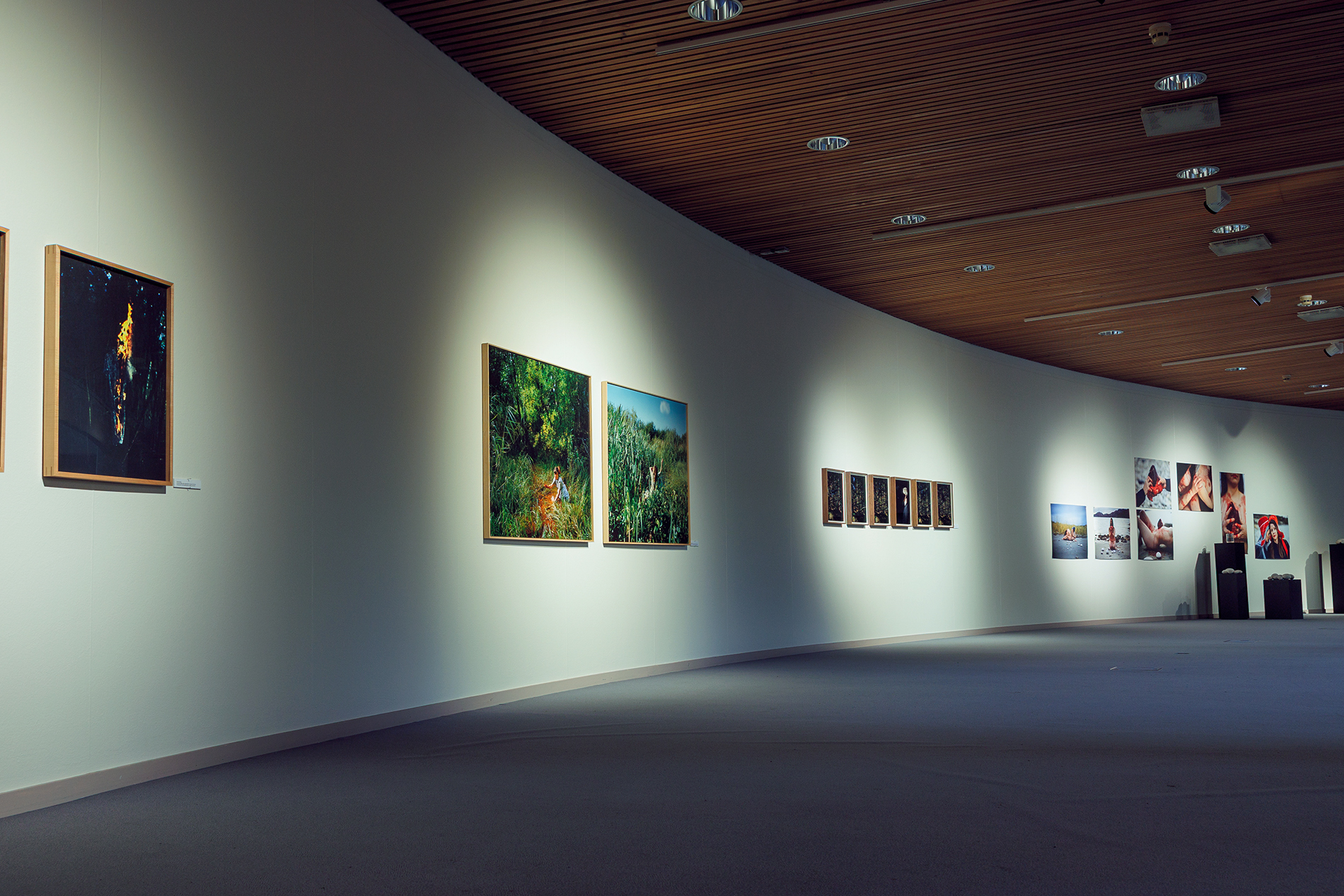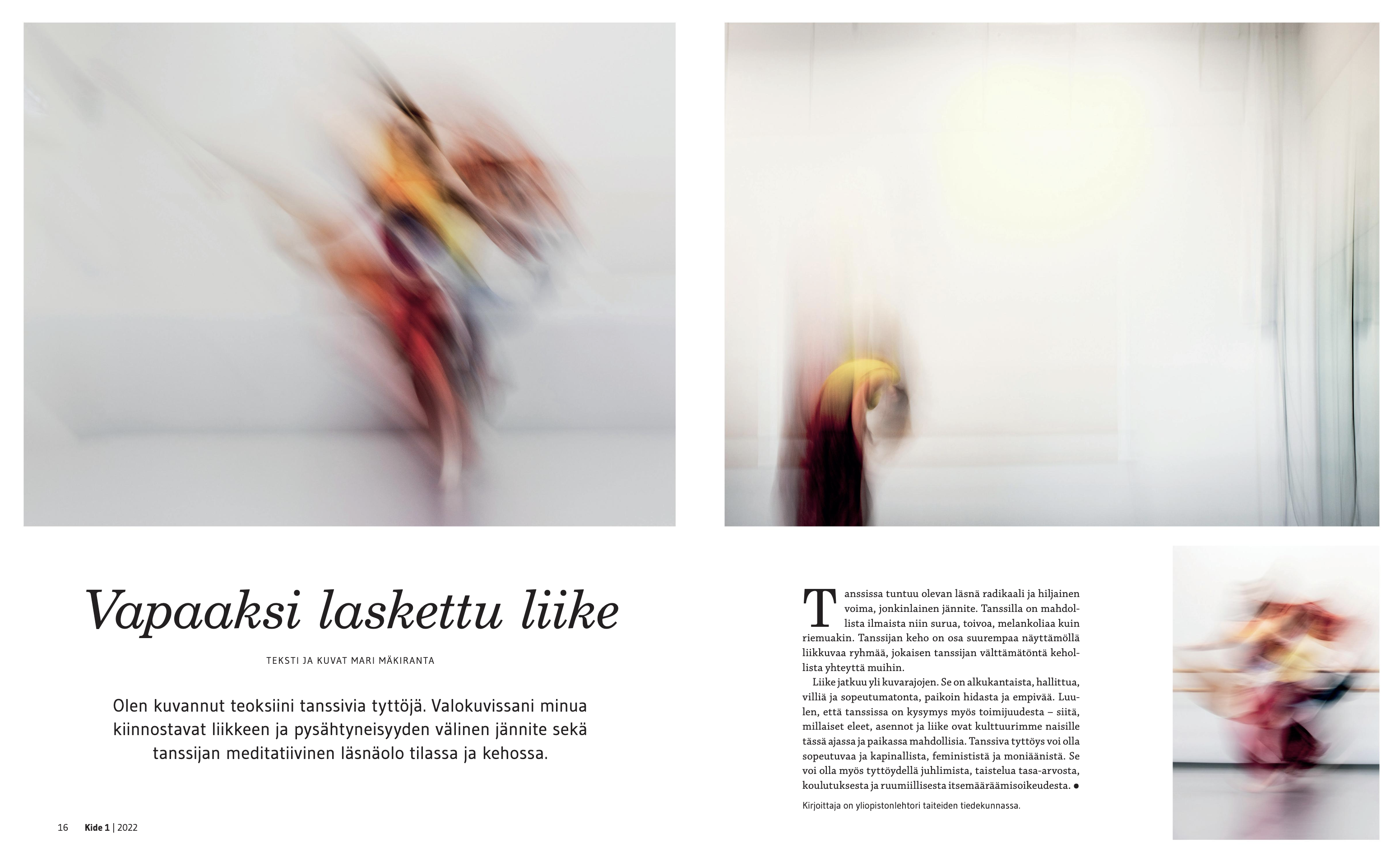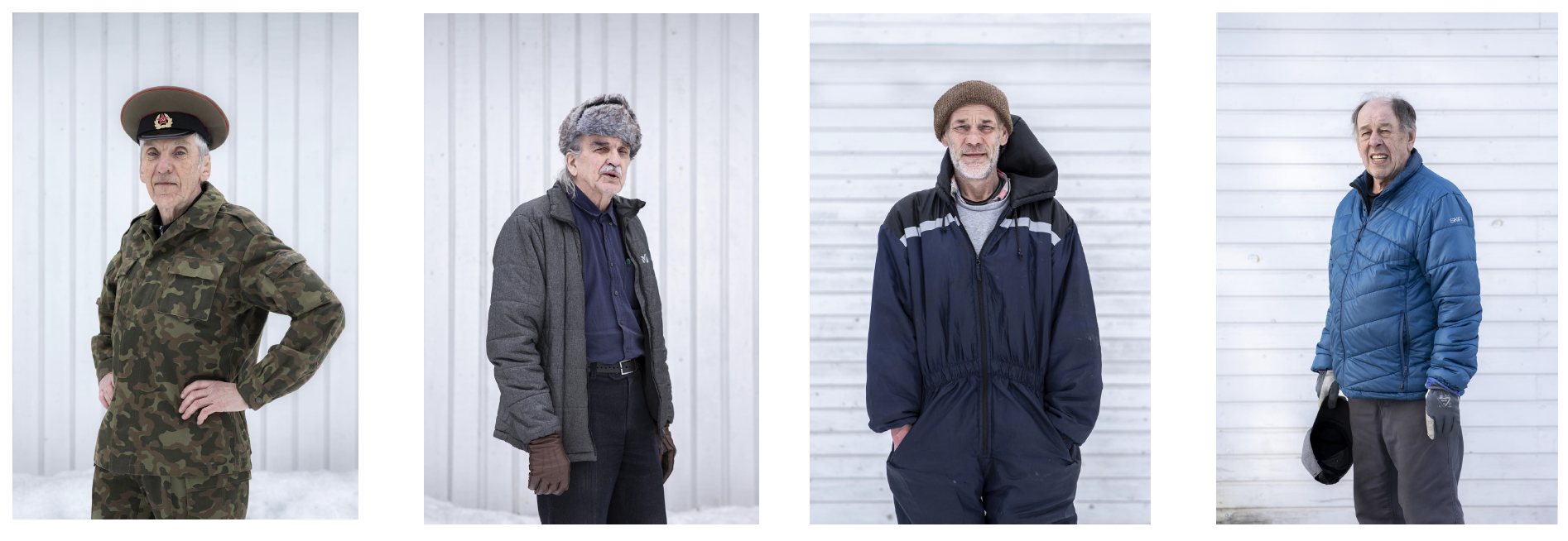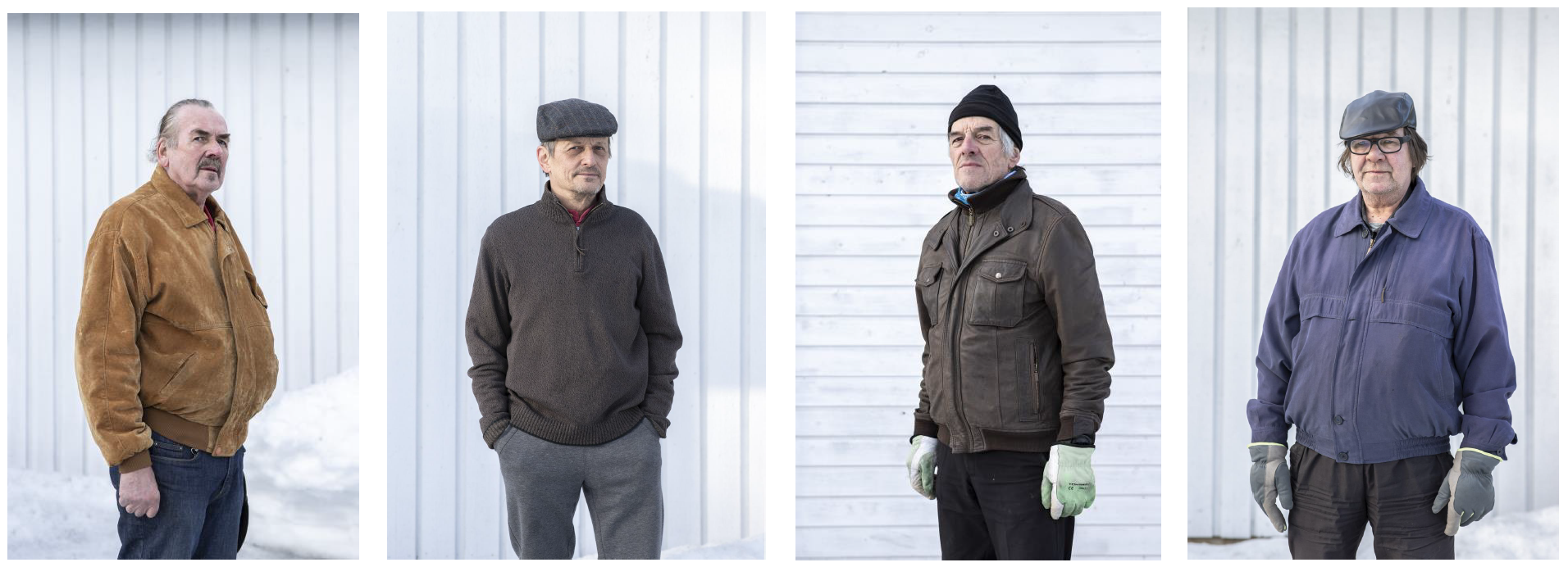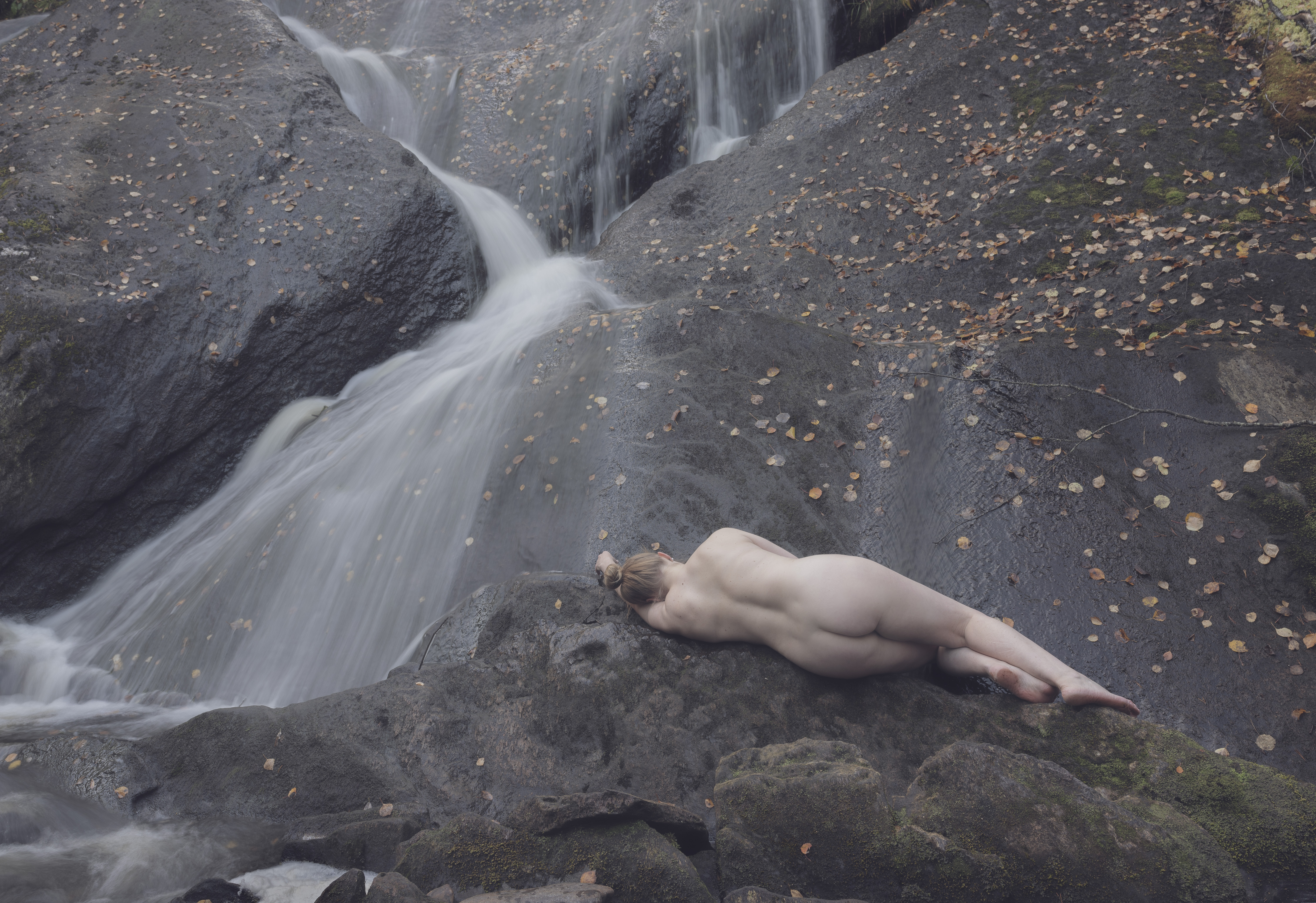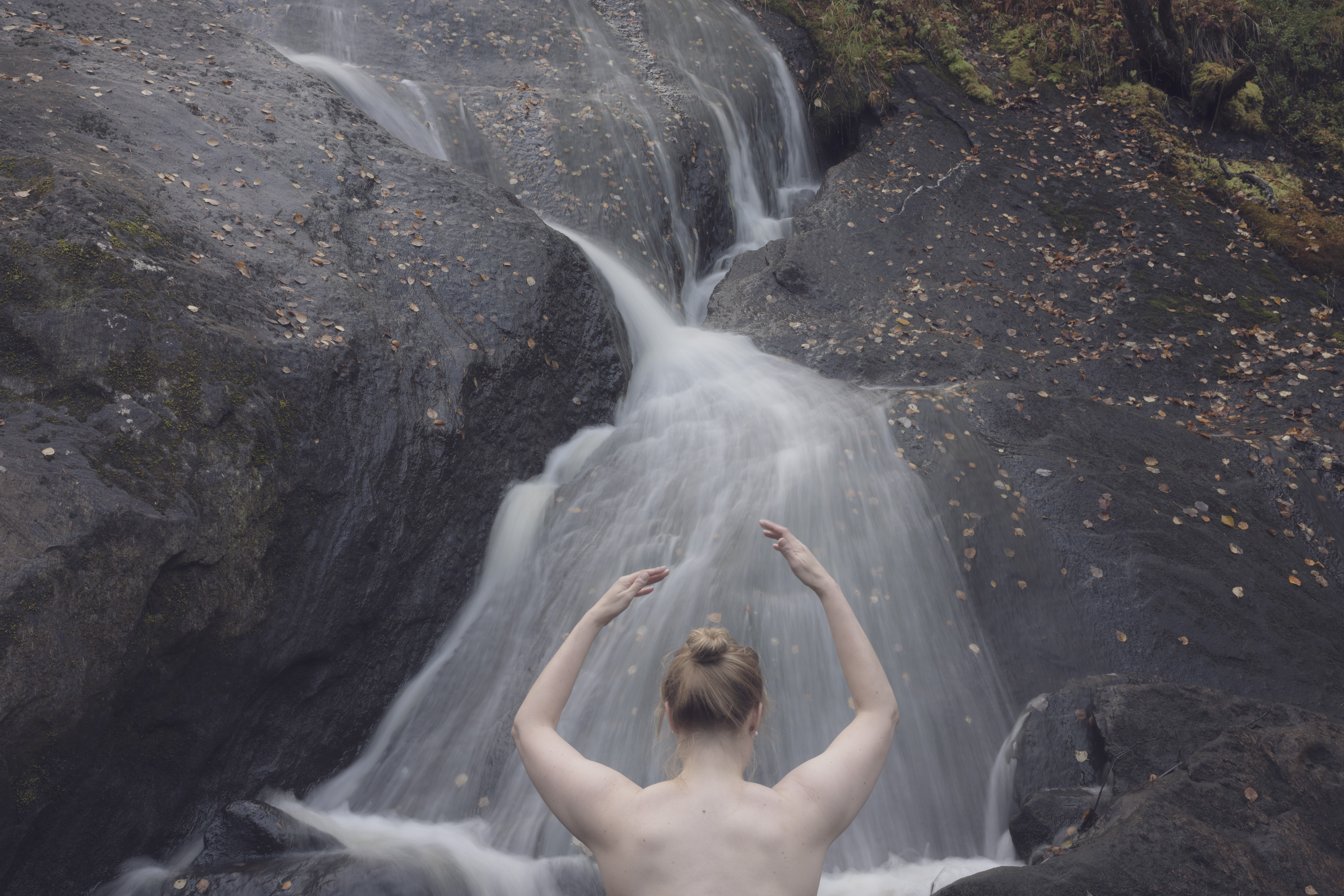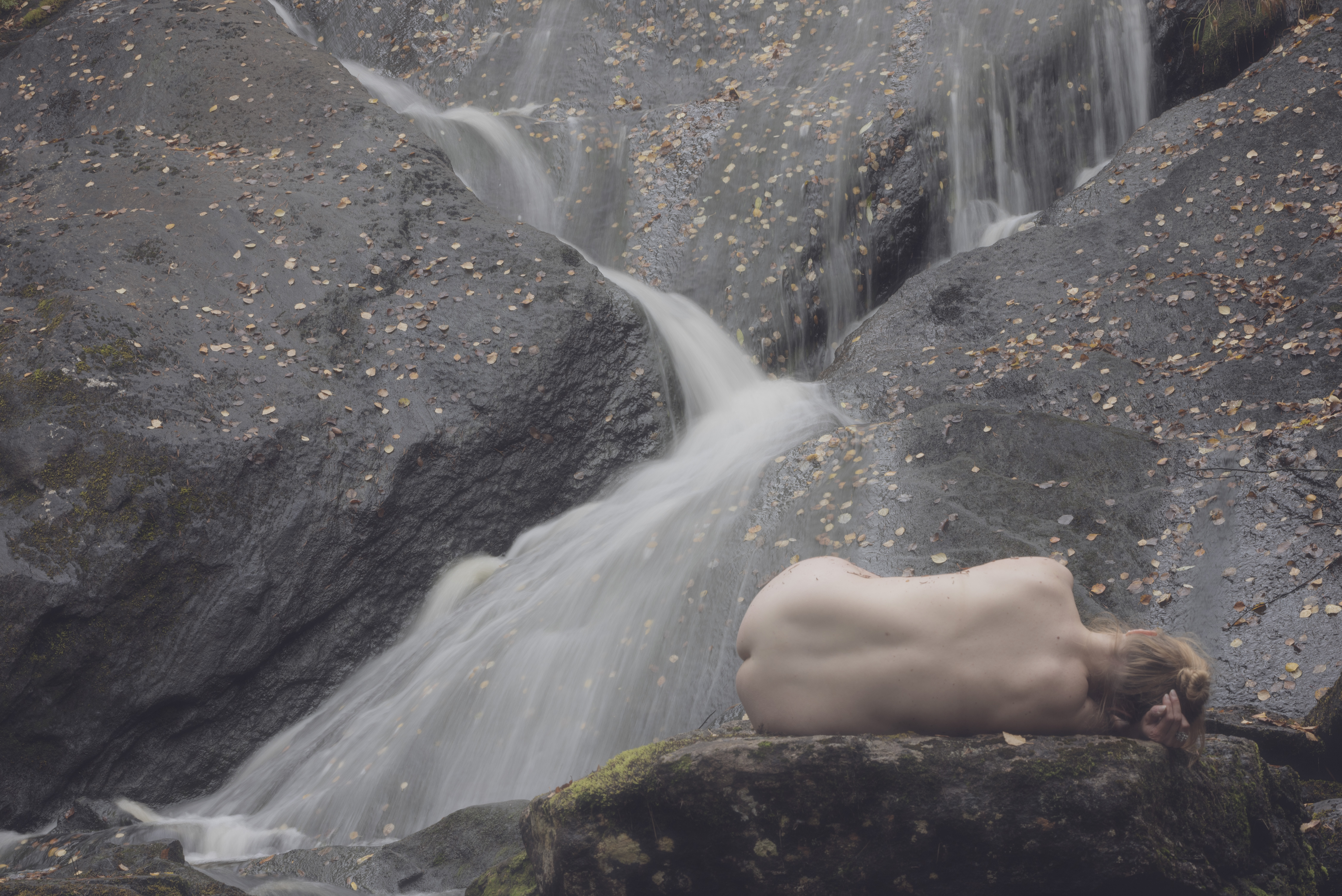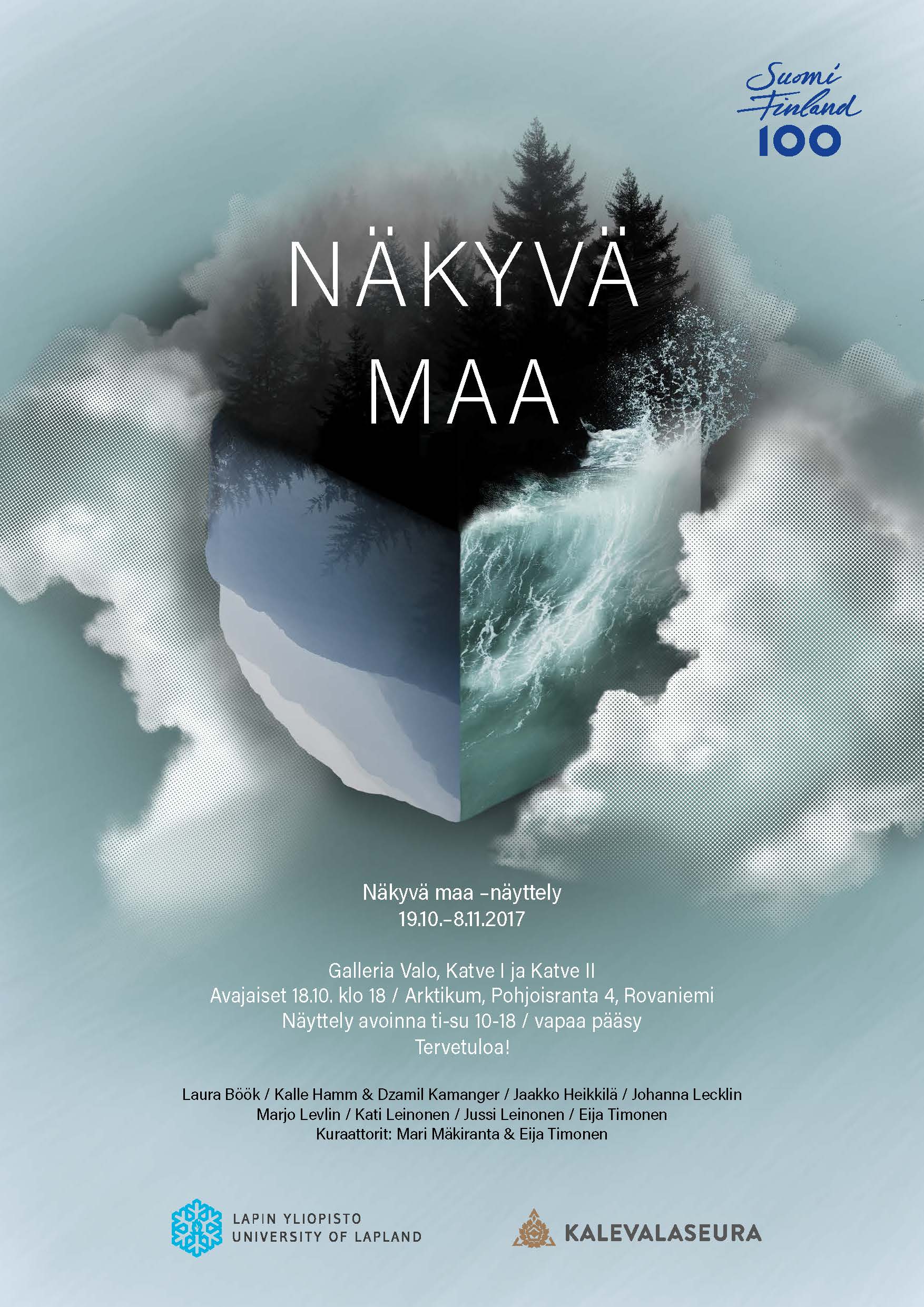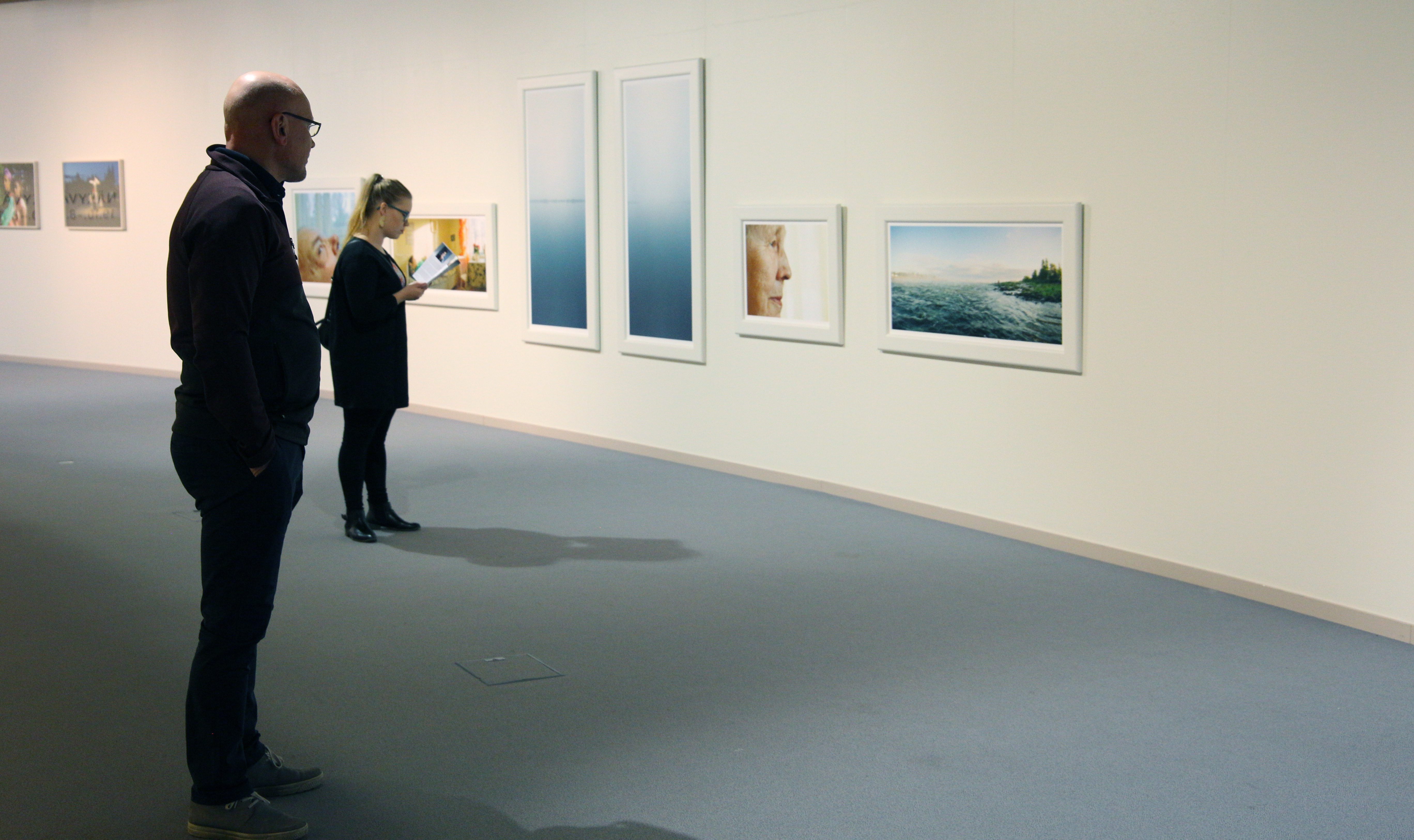
2025 Hearing the Silence, Valo and Katve I-II Galleries, Rovaniemi

Photograph by: Hugo Gutierrez

16.10.—7.12.2025

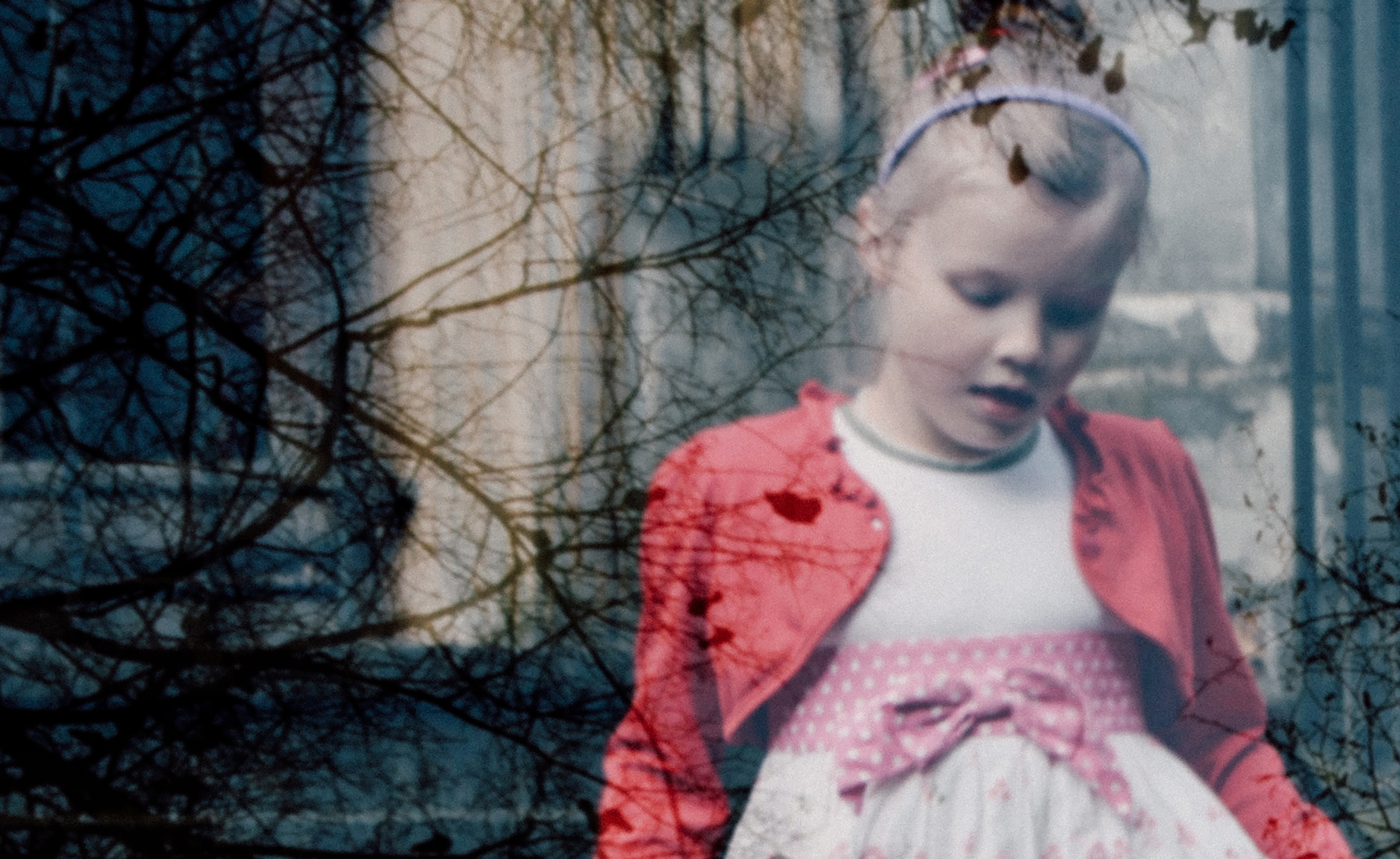
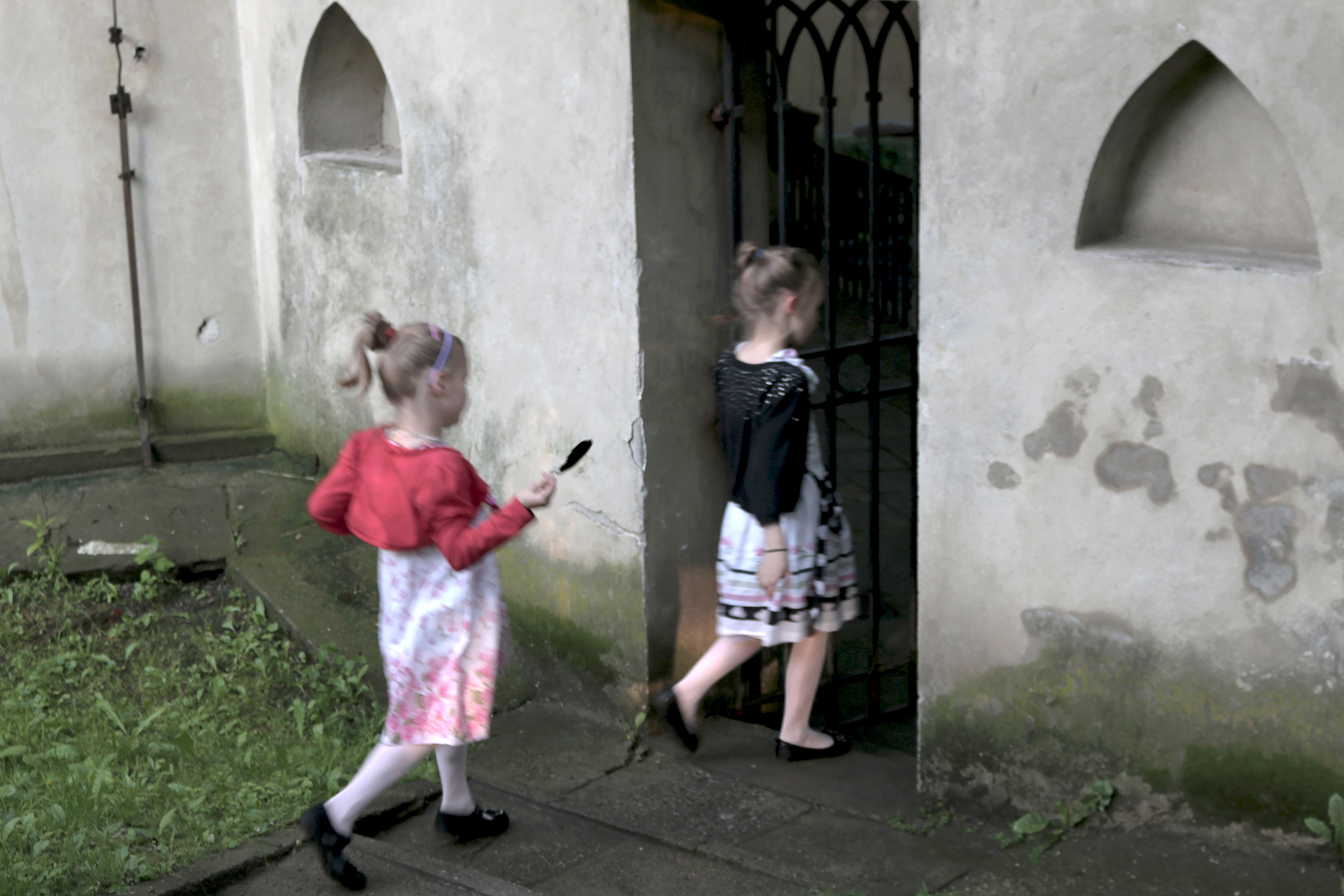
Hearing the Silence gathers six visual artists in Rovaniemi, weaving a collective tapestry of resistance, vulnerability, and voice. These works speak to the shadowed realities of violence—against women, transgender people, and those who live and identify as women. Gender-based violence is not confined by borders; it is a global crisis, a profound wound in the body of human rights. One in three women around the world have faced physical harm, threats, or sexual violence in their lifetime.

The exhibition’s title, Hearing the Silence, speaks not to the absence of sound, but to a presence long ignored—the muteness imposed by shame, fear, and indifference. Silence is the language violence often chooses. These artists, however, choose otherwise. They offer voice—sometimes delicate, sometimes fierce—to the unseen, the unheard, the unspoken. The works do not underline; they resonate. They do not depict violence, but echo its impact, and illuminate paths of resistance.

In Simi Ruotsalainen’s video work, we witness the realities of trans people. Jonna Tolonen’s posters trace stories suspended in the air—unfinished, unresolved. Rosamaría Bolom captures resistance blooming in the streets and the artwork itself becomes a form of protest. Mari Mäkiranta’s lens reveals the inner landscape of violence—intimate, aching, human.

Patricia Rodas balances on the fragile line between trauma and transformation, asking: how do we heal? Marte Lill Somby brings the experience of Sámi women into focus, where colonialism and domestic violence intertwine.

The exhibition includes a sound installation by Jonna Tolonen, and music by Shizukana, a sonic act of resilience. Proceeds from Shizukana’s album support the Federation of Mother and Child Homes and Shelters in Finland—a gesture of solidarity made tangible.

Hearing the Silence imagines alternatives to the violent imagery and discourses. It crafts space for shared strength, collective work, and societal change. The exhibition does not re-enact harm; it listens deeply to it. No violent images are shown. Instead, you will find a chorus of resistance, affects and interpretations.

To deepen the dialogue, a public seminar will be held on the International Day for the Elimination of Violence Against Women, on 25 November 2025, from 10:00 to 15:30, in the Polarium Hall at Arktikum. Researchers and artists will gather to reflect and speak together. Visitors are invited not only to hear, but to discuss.

This exhibition and seminar are part of the project Artivism on Edges – Art, Activism, and Gendered Violence (2021–2026), supported by the Kone Foundation and the Faculty of Art and Design at the University of Lapland.

2025 Of Soil and Water, Hippolyte Studio, Helsinki


5–28 September 2025
Hippolyte Studio

Mari Mäkiranta & Flowing Waters collective
Of Soil and Water

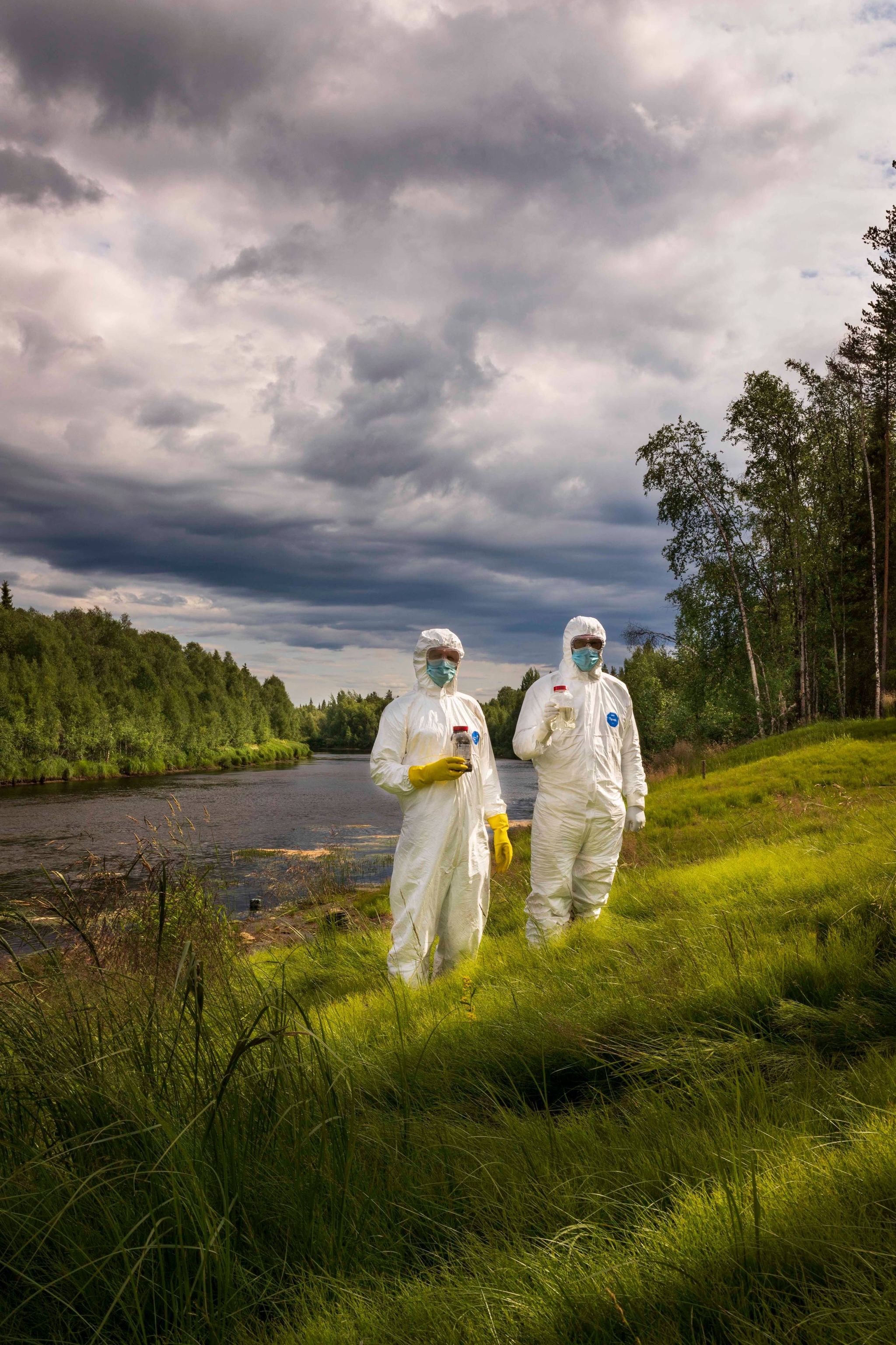
”I feel the cool water and the river’s current through my rubber boots. I bend down, immerse my hand in the water, lift up a sample bottle. Against the light the water looks yellowish. Nothing organic seems to move in it. Can water die? In what ways can we relate to dead water, when the activity of bacteria and microbes is an essential part of the forces that sustain life and keep us alive? What would happen if we understood the soil and water as our companions? Would the ethical, economic, and political privileges and primacy of human actors then be called into question?“
(Kittilä, 13 July 2021, excerpt from Mäkiranta’s research diary)

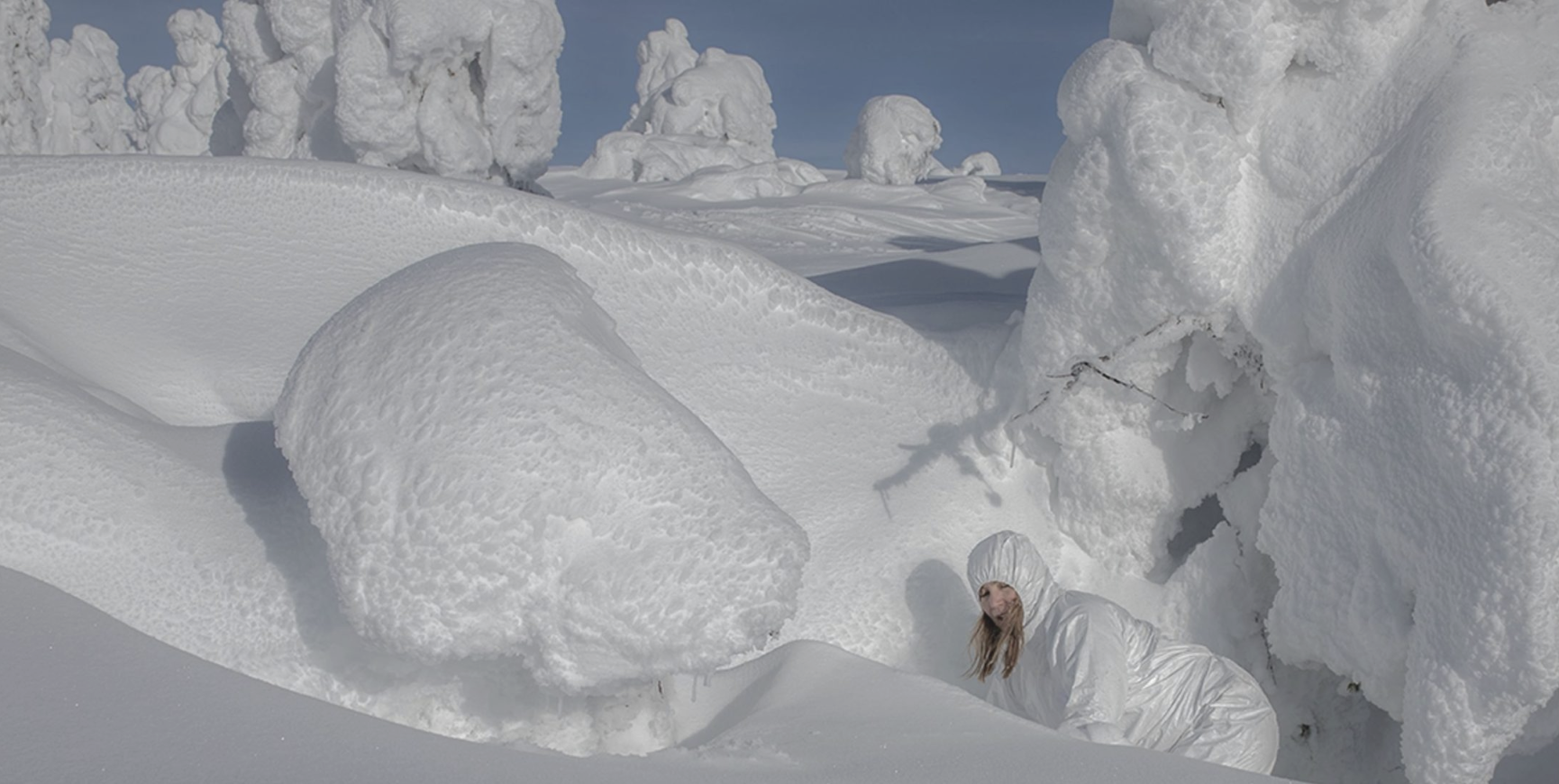
Mari Mäkiranta and the Flowing Waters collective’s exhibition explores the impact of mining on the riverine environments of the North. At its centre are performative photographic and video works, as well as soil and water samples collected from the areas of the Kittilä gold mine and the Kevitsa metal mine, to which the exhibition title also refers. The mines discharge their wastewater through pipelines into several rivers; the works in Of Soil and Water draw attention to the concern that even small concentrations of chemicals can be toxic to aquatic ecosystems. Finnish mining legislation does not define precise threshold values for the concentrations of wastewater released by mines, which enables their discharge almost without restriction into rivers inhabited by mussels, fish, and other living beings.

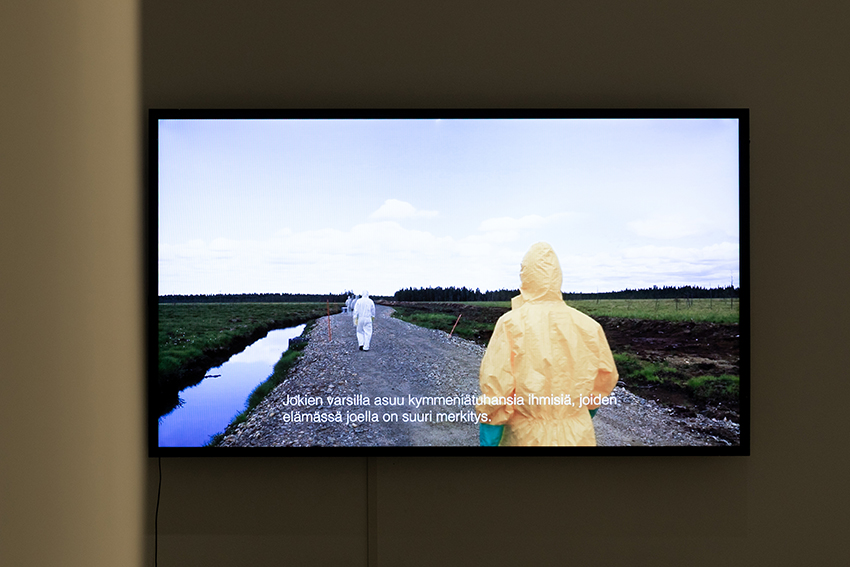
The video works on display combine the collective’s sampling rituals and walking performances, in which the effects of mining on nature become tangibly visible. The Kevitsa nickel-copper mine is located just over 30 kilometres north of Sodankylä, right on the boundary of a Natura 2000 area. The video work Orange Dust illustrates how pollutants from the mine spread beyond its fences into this protected area. In turn, the Kittilä gold mine channels its wastewater via a discharge pipeline into Loukinen, a tributary of the protected Ounasjoki River. The performance seen in A Twenty-Five Kilometre Walk took place on top of the discharge pipeline road, which had been constructed in nature without official permission. Through the performance, members of the collective opposed environmental destruction and expressed compassion towards nature.

Flowing Waters collective’s practice is situated within the tradition of activist art, which, in their case, means quietly attuning to nature. The exhibition makes visible the invisible yet ever-present threats, such as toxic concentrations in water and waste dust drifting in the air. Alongside the artworks, the exhibition also includes the research publication Orange Dust (2025), addressing art activism and northern nature, and written in collaboration with sociologist Vesa Puuronen

Of Soil and Water invites reflection on what might happen if we abandoned the appropriation and exploitation of nature. Could our technological–economic relationship to nature be transformed into one of encounter and responsibility? Would we allow nature to care for us—and would we know how to care for it?

The artist’s work has been supported by the Kone Foundation and the REBOUND project, University Lapland.

Photographs by: Milla Tallassalo

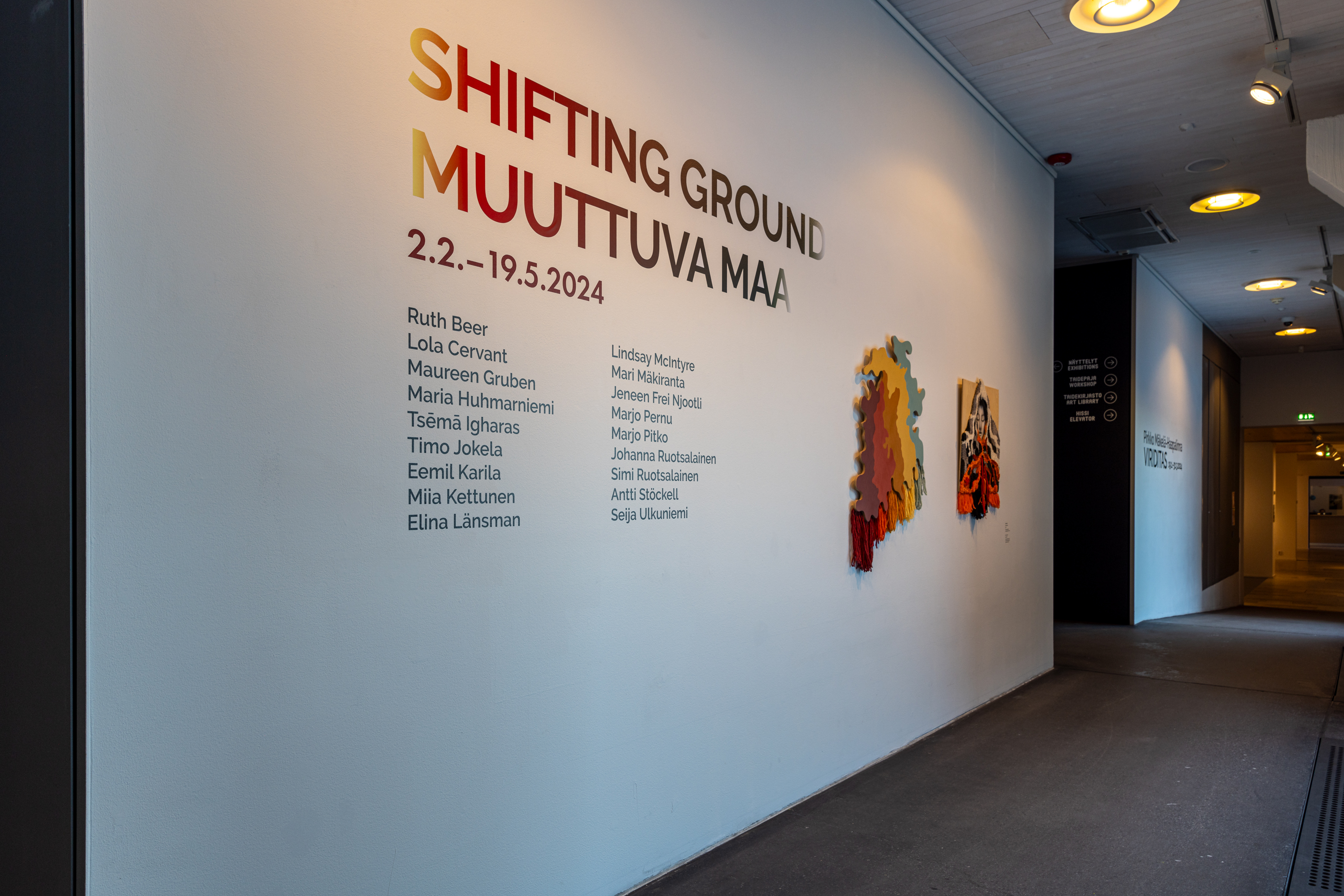
2024 Shifting Ground, Korundi House of Culture and Rovaniemi City Art Museum


Photographs by Tatu Kantomaa. Artworks in the picture by Mari Mäkiranta and Marjo Pernu.

Shifting Ground – Muuttuva maa features aesthetic expressions that reflect the landscapes, lived experiences, and future visions of climate change and changing ecologies in the North. The exhibition features works by Canadian artists and Finnish artists from Lapland.

The Shifting Ground exhibition is a platform for international creative encounters with the everyday experience of changing ecologies in rural and remote communities in Finnish Lapland and northern Canada. Artistic exposure to the land and lived experiences serves as a productive mechanism for perceiving, representing, and interrogating the affective dimensions that are in planetary flux.

What is the visual language of resource extraction and climate change? How can artworks shift attention to energy in place, represent local realities and unfolding futures? In many ways, artists living and working in northern ecosystems – where the markers of climate change become consistently more glaringly obvious – are uniquely positioned to answer these questions, and to consider what adaptations, challenges, and future possibilities emanate from them.

The artworks in the exhibition offer ways to understand the land and the memories it carries – calling forth stories inscribed across the surface and layered deep underground. The exhibition communicates the artists’ unique experience and their relationship with location. The works highlight themes related to climate change, resource extraction and the changing ecologies and future challenges in the North.

Shifting Ground – Muuttuva maa is a collaboration between Rovaniemi Art Museum, the Artists’ Association of Lapland, and the Shifting Ground: Mapping Energy, Geography and Communities and in the North -project from Canada.

Artists of the exhibition: Ruth Beer, Lola Cervant, Maureen Gruben, Maria Huhmarniemi, Tsema Igharas, Timo Jokela, Eemil Karila, Miia Kettunen, Elina Länsman, Lindsay Mclntyre, Mari Mäkiranta, Jeneen Frei Njootli, Marjo Pernu, Marjo Pitko, Simi Ruotsalainen & Johanna Ruotsalainen, Antti Stöckell and Seija Ulkuniemi. The exhibition is curated by Ruth Beer and Ulla Viitanen.

The exhibition has been supported the Canadian Embassy in Finland, the Social Sciences and Humanities Research Council of Canada, the Finnish Heritage Agency and the Kone Foundation.

The exhibition is curated by Ruth Beer and Ulla Viitanen.


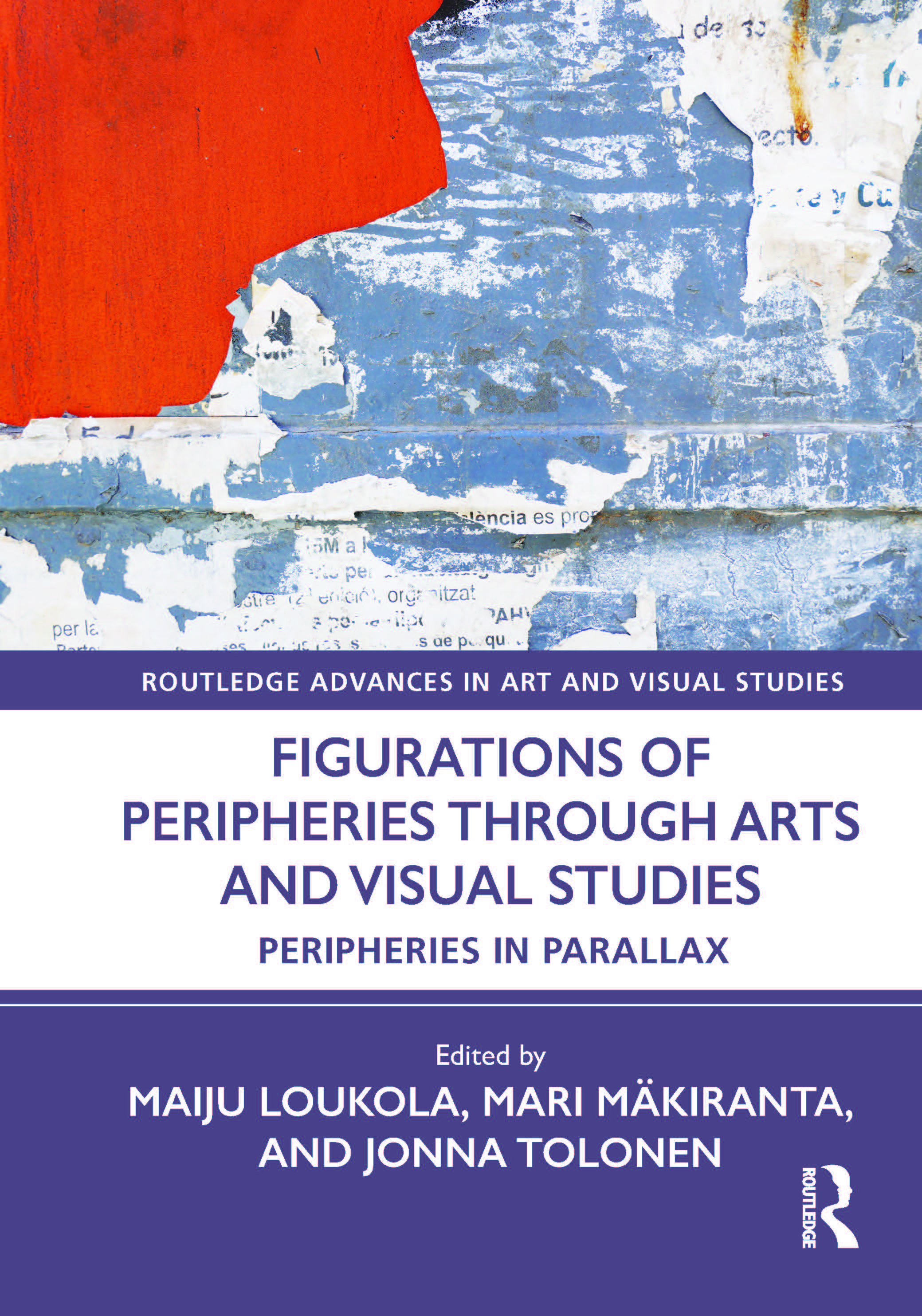
2023 New book: Figurations of Peripheries Through Arts and Visual Studies

This edited volume breaks new ground for understanding peripheries and peripherality by providing a multidisciplinary cross-exposure through a collection of chapters and visual essays by researchers and artists.

The book is a collection of approaches from several disciplines where the spatial, conceptual, and theoretical hierarchies and biased assumptions of ‘peripheries’ are challenged. Chapters provide a diverse collection of viewpoints, analyses, and provocations on ‘peripherality’ through bringing together international specialists to discuss the socio-political, aesthetic, artistic, ethical, and legal implications of ‘peripheral approach.’ The aim is to illuminate the existing, hidden, often incommensurable, and controversial margins in the society at large from equal, ethical, and empathic perspectives. 

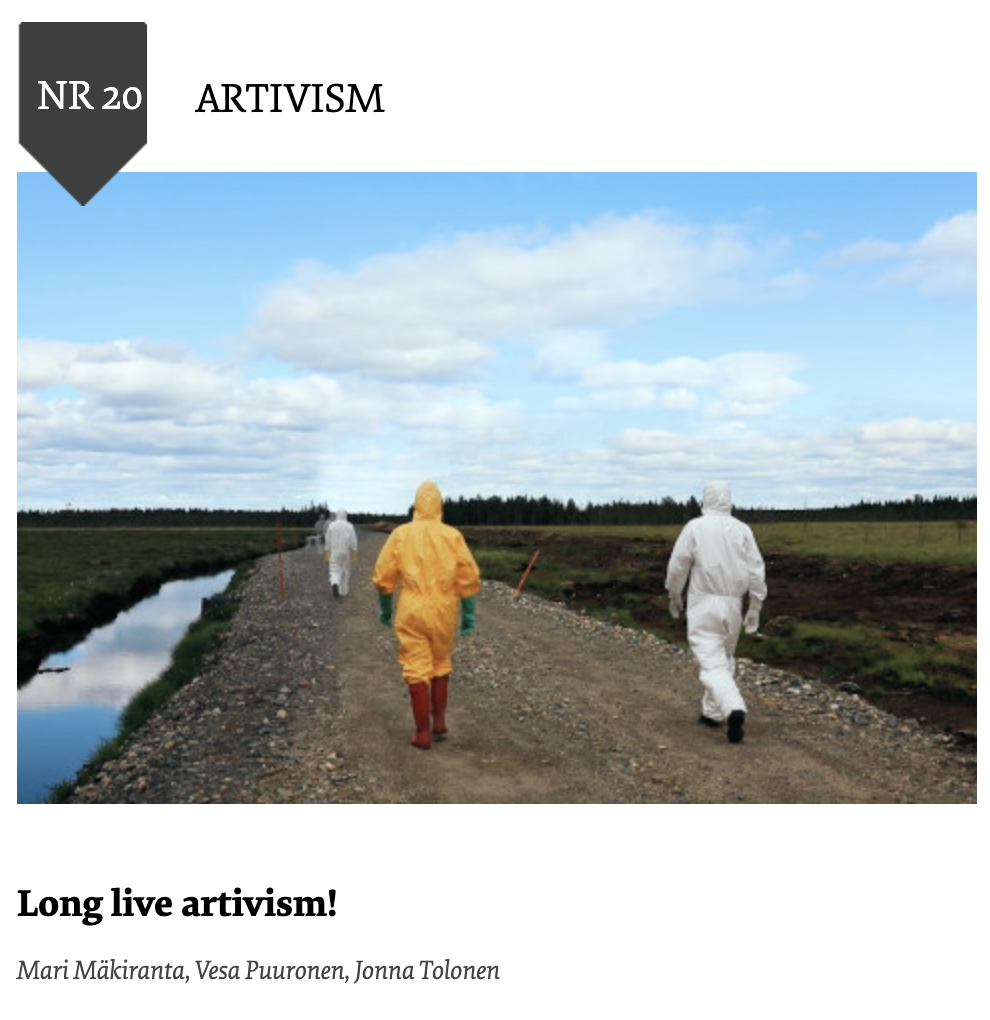
2023 Artivism theme issue in RUUKKU-journal

Our Artivism issue is inspired by dismantling the contemporary conception of art and by a space where working methods, contents, and ideals produced by art have changed. This also enables negotiations and struggles between various conceptions of art. The art-historical contexts of activist art are rooted in 20th century avant-garde, German expressionism, and feminist art and in the anti-war and anti-racist civil rights movements of the 1960s. In the history of science, activism has been an essential part of European intellectuals’ self-understanding and operating culture. Today, as conceptions of art have changed, conceptions of science are also in flux. Small movements towards science activism, a new kind of integration of theory and practice, are emerging in Finland. Scientific and artistic practices have come closer to each other, recently influenced by material threats to humanity’s future: biodiversity loss and climate change. These threats are forcing us to give up on the 18th-century belief in progress and the anthropocentric worldview based on controlling nature. 

Politically transformative and critical art plays a central role in fights for environmental protection, gender diversity, and antiracism. Activist art, being often radical, searching for something new, and integrating people and environments, is tied to power–knowledge relations. In this issue, we approach artivism as performative art related to questions of power, matter, and representation as well as their relations. We focus on the fact that art, in its various creative forms, includes political objectives. At the same time, we explore the ways political action can be creative. Artivism, based on the interests of a researcher, artist, activist, and various communities, may be connected with personal and political objectives related to subjugation, resistance, and empowerment. Activism as a form of artistic practice may also be quiet, tentative, experimental, and searching. Sometimes, it leads to social changes. At other times, it appears as slow, nearly invisible movements and powers.

Artivism overlaps with the world’s material dimensions and materialistic contradictions. It is a pursuit of change, movement, and a non-essentialising way of approaching the world and society. We invite our readers and experiencers to join us in this ongoing movement!

We thank all the artist-researcher and the peer-reviewers for their invaluable contribution to this issue.

http://ruukku-journal.fi/en/issues/20/editorial

2023 Trees, parks people exhibition coming up in June in The Regional Museum of Lapland, Rovaniemi


Rovaniemi is home to culturally significant trees and green areas, which are highlighted in this exhibition, exploring their history and present through a publication. The exhibition “TREES, PARKS, PEOPLE” is the result of collaboration among 11 artists and visual creators from various fields. The exhibition features photographs, lithographs, videos, sculptures, and installations. Additionally, there is a community art piece created by around sixty tree enthusiasts, showcasing photographs of trees that are to be preserved. The participating artists and visual creators are Miina Alajärvi, Tuija Hautala-Hirvioja, Panu Johansson, Hilkka Liikkanen, Mervi Löfgren Autti, Mari Mäkiranta, Kirsikka Paakkinen, Karoliina Paatos, Eila Puhakka, Kaisa Sirén, and Jukka Suvilehto.

Old trees have witnessed much, and each generation forms a new relationship with them. Trees are also an important part of people’s, cities’, and even nations’ identities, as they hold many stories, experiences, and lives. The artists in the exhibition express, through their works, the shock that arises from the felling of a nearby forest or an individual elderly tree. The grief is entirely justified, as within our lifetime, we simply cannot witness a newly planted tree reaching its full age. The lifespan of a tree can exceed human lifespan several times over; while our lives on Earth come to an end, the life of a tree is just beginning.

Poster image: Mari Mäkiranta
The exhibition has been granted by the Finnish Cultural Foundation

2022 Art activism in Our Earth’s Richness Conference, Rovaniemi, Finland

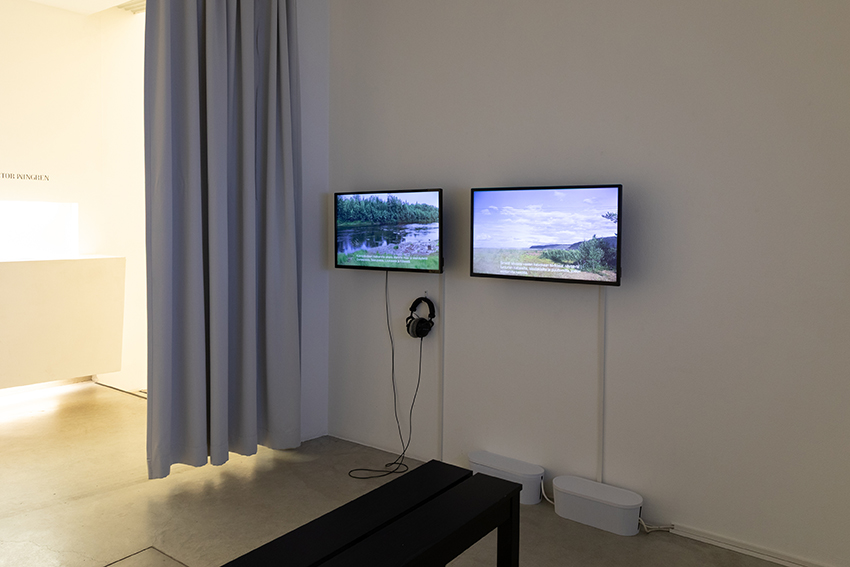
Free Rivers Art collective, 2022, Twenty-five kilometres walk, video 5:46 min (short version). Performative walk and video filmed near Kittilä’s goldmine in Finnish Lapland. Under the road is a pipe for the polluted water from the mine. Polluted waste water runs in river near by the Levi tourist center.

Water and soil samples from the polluted rivers near mining industries in Northern Finland. Water and Soil, ink-jet photgraphy, 2022

2017 Meetings Gallery Exhibition, Vaasa City Art Hall

PohjalainenPhotograph by: Tomi Kosonen

Our Meetings exhibition in Vaasa City Art Hall consists of young peoples’ dreams and future hopes in Namibia, South-Africa and Europe. During the exhibition we organized two workshops in order to develop and study decision-making, communality and city planning in youth communities. The exhibition brings together young people living in different countries and continents, and asks how the political, regional and societal changes affect on young people. The exhibition was organized together with Professor Satu Miettinen and Service-Designer Reetta Kerola.

2014 Such an Early Spring, Valo Gallery, Arktikum, Rovaniemi, Finland

poster

Over a period of a spring and summer in 2013, 16 young artists photographed their living environments in Finland, Estonia, the Netherlands, Poland, Croatia, Slovenia and Russia. The Such an Early Spring exhibition demonstrates how young people interpret the social changes, cultural diversity and everyday experiences that are attached to their living surroundings. The exhibition and research has been funded by the Finnish Cultural Foundation.

  collage-02

Photographs by: Daria Akimenko, Roselinde Bon, Daria Maroń-Ptak, Mari Mäkiranta, Anka Simoncic, Alexandra Shpiro & Ana Žolnir.

IMG_5812Detail of the installation. Photographs by: Daria Akimenko, Rovaniemi, Finland and Ana Žolnir, Celje, Slovenia. Installation by: Daria Akimenko & Mari Mäkiranta